

Mark to market (MTM) or fair value accounting refers to the practice of assigning a value to an asset or liability based on its current market value or price rather than its historical cost. This aims to represent a realistic present-day valuation as compared to historical cost accounting. A futures contract obligates the buyer and the seller to buy, respectively sell, the underlying asset at a predetermined price on a predetermined date, regardless of the market price at the due date. Naturally, this involves a long and short trader on each side of the contract. That said, mark-to-market accounting might lead to an inaccurate presentation of the assets’ value, especially in times of high volatility. This method is also known under the terms fair value accounting or market value accounting.
Mark to Market Accounting in Commodity Trading
MTM introduces significant volatility to reported earnings due to the mandatory recognition of unrealized gains and losses. Mark-to-market (MTM) accounting is a valuation method that values assets and liabilities based on what they could be bought or sold for in today’s marketplace rather than their original price. This approach gives a real-time snapshot of financial worth, like checking your investment portfolio’s value on a given day.
- Making the Mark-to-Market ElectionIf you decide that MTM accounting is right for you, the next step is to make the election with the IRS.
- The previous year’s loss is written off from the first available gain, and if there is an excess gain over and above the loss, it is recorded in the books as Gain on Securities.
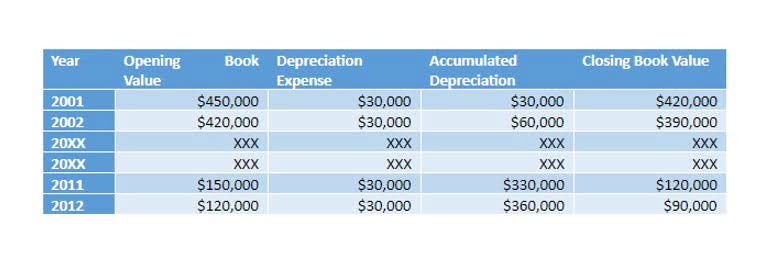
- This approach contrasts with historical cost accounting, where assets are typically recorded at their original purchase price and then depreciated or amortized over time.
- While MTM enhances transparency, it can also lead to increased volatility in financial statements, particularly during times of market instability.
History of Mark to Market Accounting
- This relentless pressure led to increasingly reckless and ethically dubious business practices.
- Jeremias specializes in tax and business consulting with focus areas in real estate, professional service providers, medical practitioners, and eCommerce businesses.
- Returning to an example we used earlier, the replacement cost of a home as listed by an insurance company is the cost of replacing the home, meaning, rebuilding it on the already-owned land.
- If the company uses historical accounting principles, then the cost of the properties recorded on the balance sheet remains at $50,000.
- Auditors and regulators then pay close attention – if too many assets are Level 3, it signals a shaky foundation for reported equity.
It also facilitates better risk management by showing the immediate impact of market swings. Overall, mark-to-market promotes transparency, enabling day traders to track performance precisely and adjust strategies swiftly. Mark-to-market accounting for day traders means valuing their open positions at current market mark to market accounting prices daily.
Mark-to-Market During the 2008 Financial Crisis
The limitations on capital losses, the wash sale rules, and certain other rules do not apply to traders using the mark-to-market method of accounting (see section 475(d)(1)). Investors typically buy and sell securities and expect income from dividends, interest, or capital appreciation. They buy and sell these securities and hold them for personal investment; they’re not conducting a trade or business. Most investors are individuals and hold these securities for a substantial period of time. Sales of these securities result in capital gains and losses that must be reported on Schedule D (Form 1040), Capital Gains and Losses and on Form 8949, Sales and Other Dispositions of Capital Assets as appropriate. Investors are subject to the capital loss limitations described in section 1211(b), in addition to the section 1091 wash sales rules.
To the extent provided in regulations, subparagraph (A) of paragraph (1) shall not apply to any security described virtual accountant in subparagraph (D) or (E) of subsection (c)(2) which is held by a dealer in such securities. If a security ceases to be described in paragraph (1) at any time after it was identified as such under paragraph (2), subsection (a) shall apply to any changes in value of the security occurring after the cessation. This uses an unofficial Yahoo Finance endpoint; network/CORS restrictions may apply. Its pivotal role in fiscal policy formulation and risk assessment underlines its profound significance in today’s corporate sphere. Let’s delve further, shedding light on how MTM impacts a company’s financial standing.

This concept is crucial, adding layers of transparency to financial statements and reinforcing trust among investors. By maintaining transparency and offering a realistic view of your firm’s financial health, this method continues to be favored by an array of global businesses. Basing figures on real-time market values can significantly affect your bottom line, which might surprise you initially. If you think your business could benefit from mark-to-market accounting, contact an Anderson Advisors tax expert today!

Mark to Market Accounting for Traders and Investors
It’s used by average taxpayers every day payroll when they attempt to figure out their net worth. This is because the net worth of most individuals is based on fluctuating assets, such as stocks and even real estate. Gains and losses in mark-to-marketing accounting are calculated based on fluctuations, whether day by day or over time.
Understanding the Enron Scandal
Nonetheless, the method’s emphasis on realism over traditional cost accounting makes it indispensable in contemporary business practices. As a result of Anderson’s tax work with tens of thousands of successful investors including preparing over 100,000 investor tax returns, Toby has seen which strategies stand the test of time and which do not. He bases his opinions on personal experience and that of his clients and does not agree with most of what is taught by the so-called “gurus” of our time. Toby believes investors achieve the greatest success by focusing on tax advantages and purchasing cash-flow assets rather than trying to profit on short-term trends. Suffice it to say, though mark-to-market accounting is an approved and legal method of accounting, it was one of the means that Enron used to hide its losses and appear in good financial health.